
Expert insights, design inspiration, and practical advice for building your dream home or granny flat with Armour Homes.
Building a home is an exciting journey, butit can also be a long one. Understanding the home building timeline isessential for anyone looking to construct their dream house. From planning anddesign to the final inspection, each phase has its own set of tasks andtimeline expectations. In this article, we’ll break down the process intomanageable stages, helping you grasp what to expect as your new home takesshape.
Embarking on a home building timeline canfeel like setting sail on a long voyage. It’s exciting, but also important tounderstand what lies ahead. Many factors influence the journey, and knowingwhat to expect can help you navigate the process with confidence. Let’s breakdown the key aspects of a residential construction project so you’rewell-prepared.
Building a home isn’t a single event; it’sa series of interconnected phases. Each stage has its own timeline andpotential challenges. Here’s a simplified overview:
This is where your vision takes shape. It involves budgeting, design selection, and obtaining necessary permits.
Preparing the land and laying the foundation are crucial for a stable and long-lasting home.
The skeleton of your home is built during this phase, including the frame, roof, windows, and doors.
This is where your home starts to look like the finished product, with electrical, plumbing, interior design, and landscaping.
Ensuring everything meets code and addressing any final touches before you move in.
Several elements can affect the home designto completion timeline. Understanding these can help you set realisticexpectations:
Even with careful planning, delays canhappen. Being aware of potential setbacks can help you stay flexible and manageyour expectations. Here are some common culprits:
Unexpected Site Conditions: Discovering unforeseen issues during site preparation, such as unstable soil or underground obstacles.
Changes to the Design: Making changes to the design mid-construction can cause significant delays and increase costs.
Subcontractor Scheduling Conflicts: Coordinating different tradespeople can be challenging, leading to scheduling conflicts.
Inspection Delays: Backlogs in inspection schedules can hold up progress.
Material Backorders: As mentioned earlier, material shortages can cause delays in receiving essential supplies.
It’s important to remember that the home building timeline is anestimate, not a guarantee. Open communication with your builder and a proactiveapproach to problem-solving can help minimise delays and keep your project ontrack. Understanding how long does a custom home build take in WA requiresconsidering all these factors.
To get a more precise estimate for yourproject, it’s best to consult with Armour Homes directly. Theycan assess your specific needs and provide a realistic timeline based on yourdesign, location, and other relevant factors. Knowing the stages of building ahouse in Australia is the first step!
Alright, so you’re thinking about buildinga home. Awesome! But before the bulldozers arrive and the hammers startswinging, there’s a crucial stage: initial planning and design. This is whereyour dream starts to take shape, and getting it right sets the stage for asmoother build. It’s more than just picking colours; it’s about laying thegroundwork for a home that suits your lifestyle and budget.
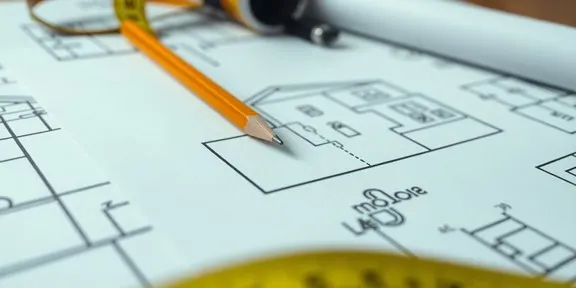
First things first, let’s talk money.Figuring out your budget is absolutely essential. It dictates the size, style,and finishes of your home. Be realistic! It’s easy to get carried away withfancy ideas, but staying within your financial limits will save you a lot ofstress down the track. Consider these points:
Now for the fun part! This is where youdecide what your home will actually look like. Do you want a modernmasterpiece, a cosy cottage, or something in between? Think about yourlifestyle, your family’s needs, and the block of land you’re building on.
Consider these options:
Okay, this isn’t the most exciting part,but it’s super important. Before you can start building, you need to get allthe necessary permits and approvals from your local council. This can involvesubmitting detailed plans, paying fees, and waiting for approval. Don’t skip this step! Building withoutpermits can lead to hefty fines and even demolition orders.
Navigating the permit process can be tricky, so it’s often a goodidea to work with a builder who has experience in your area. They’ll know thelocal regulations and can help you get the approvals you need.
Once the design is finalised and thepermits are in hand, the real work begins on site. This stage is all aboutgetting the land ready and laying the groundwork – literally – for your newhome. It’s a critical phase because a solid foundation is, well, foundationalto the stability and longevity of your house. Any shortcuts here can lead tobig problems down the track. Let’s break down what’s involved.
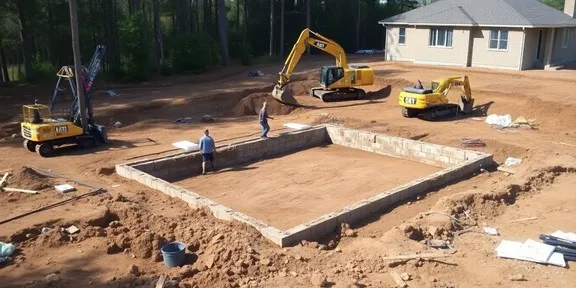
The first step is clearing the block. Thismight sound simple, but it can involve a fair bit of work. It means removingany trees, rocks, debris, and vegetation that could get in the way ofconstruction. Sometimes, this also involves dealing with underground utilitieslike gas or water pipes. The goal is tocreate a clean, level surface that’s ready for the next stage. Depending onthe block, you might need to bring in heavy machinery like bulldozers orexcavators. It’s also important to consider erosion control measures at thisstage to prevent soil runoff during construction, especially if you’re buildingon a sloping block.
With the land cleared, it’s time to lay the foundation. There are several types of foundations, including slab-on-ground,pier, and beam, and basement foundations. The best choice depends on the soil type, the design of your house, and local building codes. Slab foundations are common in areas with stable soil, while pier and beam foundations are often used on sloping or unstable ground.
Basement foundations, of course, require excavation and are more common in certain climates. The process involves digging trenches or excavating the entire area, pouring concrete, and reinforcing it with steel bars (rebar). Accurate measurements and careful execution are essential to ensure the foundation is level and square. This is where you’llreally start to see the home building timeline take shape.
Once the foundation is poured, it needs tobe inspected by a building surveyor or local council inspector. They’ll checkto make sure it meets all the relevant building codes and standards. Thisincludes things like the depth and width of the footings, the correct placementof rebar, and the quality of the concrete. If everything passes inspection,you’ll get an approval to move on to the next stage. If there are any issues,you’ll need to fix them before proceeding. This might involve repairing cracks,adding more reinforcement, or even re-pouring sections of the foundation. It’sbetter to catch these problems early than to deal with them later when theycould compromise the structural integrity of your house.
Getting the site preparation and foundation right is absolutelycrucial. It’s the base upon which your entire home will be built, so it’s worthinvesting the time and effort to ensure it’s done properly. Don’t be afraid toask questions, get multiple opinions, and insist on quality workmanship. Itwill pay off in the long run.
Here’s a quick checklist to keep in mind:
Okay, so the foundation’s in, and nowthings start to really look like a house. This stage is all about building theskeleton of your home – the frame, roof, and getting those windows and doorsin. It’s a pretty exciting time because you can finally walk through what willbe your living room, kitchen, and bedrooms.
This is where the timber (or steel,depending on your choice) goes up. The framers will follow the plans to create the walls, floors, and roof structure. Accuracy is key here, because if the frame isn’t square and plumb, you’ll have issues down the line with everything from doors fitting properly to floors being level. It’s worth checking in with your builder regularly during this phase to see how things are progressing and raise any questions you might have.Framing is the skeleton of your house, so it needs to be perfect.
Once the frame is up, it’s time for theroof. This involves installing the roof trusses or rafters, sheathing, and thenthe roofing material itself (tiles, metal, shingles, etc.). The roof is yourhome’s main defence against the elements, so it’s important to choose a durableand weather-resistant material. A leaky roof can cause major damage, so makesure the installation is done properly. How long does roof installation take?Well, it depends on the size and complexity of your roof, but it’s usually afew days to a week.
With the frame and roof in place, the next step is to install the windows and doors. This helps to enclose the building and protect it from the weather. Windows and doors also play a big role in the energy efficiency of your home, so it’s worth investing in high-quality,energy-efficient options. Think about the style of windows and doors you want,as they can really impact the overall look of your home. What are the best windows for energy efficiency? Double-glazed windows are a good start, but there are other factors to consider, such as the frame material and the type of glass.
Once the frame is up, it’s time to get the electrics and plumbing sorted. This is where the house really starts to come to life, but it can also be a source of delays if not managed properly. Getting the right tradies is key. You want experienced electricians and plumbers who know their stuff and can work efficiently.
This stage involves:
It’s a good idea to walk through the house with your electrician and plumber to confirm the placement of all outlets, switches, and fixtures. This helps avoid costly changes later on.
This is where you get to put your personalstamp on your new home! Interior design choices cover everything from paintcolours and flooring to cabinetry and benchtops. It’s a good idea to have aclear vision of what you want before you start, but be prepared to be flexibleas you go. Some things to consider:
Don’t forget about the outside of yourhouse! Landscaping and outdoor areas can add value and kerb appeal to yourproperty.
This stage involves:
So, the build’s nearly done! This stage isall about making sure everything’s up to scratch. We’re talking about athorough inspection to identify any defects or incomplete work. Think of it asa really detailed audit of your new home.
It’s important to be present during this inspection so you can raise any concerns you have. This is your chance to make sure everything meets your expectations before you move in. We want to make sure your custom homes are perfect for you.
After the inspection, we’ll create a ‘punch list’ – a list of all the things that need to be fixed or completed. This could include anything from a scratch on a window to a misaligned door. We’ll then work through this list systematically, making sure each item is addressed to your satisfaction.
It’s normal to have a punch list; very few builds are 100% perfectfirst time around. The important thing is that we’re committed to resolving anyissues quickly and efficiently.
Once the punch list is complete, it’salmost time to move in! We’ll provide you with all the necessary documentation,including warranties and appliance manuals. We’ll also walk you through theoperation of key systems, like the heating and cooling. Before you get the keysto your new granny flat, we’ll make sure you’re comfortable and confident witheverything in your new home.
So, you’ve finally got the keys to yourbrand-new home! Exciting times, right? But the journey doesn’t end here. Thinkof your house like a car – it needs regular check-ups and maintenance to keepit running smoothly. Regular maintenanceprevents small issues from becoming big, expensive problems down the line.
Here are a few things to keep in mind:
Clear out leaves and debris at least twice a year to prevent water damage.
Look for missing or damaged shingles after storms. Early detection can save you from costly repairs.
Change philtres regularly (every 1-3 months) and schedule annual servicing to keep it running efficiently.
Keep an eye out for leaks under sinks and around toilets. A small drip can waste a lot of water and cause damage over time.
One of the great things about a new home isthe warranty. But what does it actually cover? It’s important to understand thedifferent types of warranties and what they mean for you. Typically, you’llhave a builder’s warranty, which covers defects in workmanship and materialsfor a certain period. There might also be manufacturer warranties on appliancesand other fixtures. Make sure you keep all the paperwork related to yourwarranties in a safe place. If something goes wrong, you’ll want to have that informationhandy. Understanding your warranty options is a key part of the custom buildprocess.
Okay, your house is perfect now, but whatabout in five, ten, or even twenty years? Tastes change, families grow, andneeds evolve. It’s never too early to start thinking about future renovations.Even small things like choosing neutral colours and classic styles can make iteasier to update your home later on. Consider the layout and whether it will still work for you as your family changes. Think about adding extra powerpoints or data cables while the walls are still open – it’s much easier (and cheaper) than doing it later. Planning ahead can save you a lot of headache sand money in the long run. If you’re thinking about adding a granny flat down the line,now is the time to plan for it!
After your home is built, there are a few important things to think about. You’ll want to check that everything is working well and that you’re happy with the final result. Don’t forget to plan for any future changes or upgrades you might want. If you need help or have questions,visit our website for more information and support!
So, there you have it. Building a home withArmour Homes can take anywhere from a few months to over a year, depending onvarious factors like design choices and local regulations. It’s important tokeep in mind that while the timeline can feel long, each step is crucial forensuring your new home is safe and built to last. Patience is key, and stayingin touch with your builder can help keep things on track. If you’re planning tobuild, make sure you have a clear idea of what you want and stay flexible as thingsprogress. In the end, the wait will be worth it when you finally step into yournew home.
Building a new home typically takes betweensix months to a year, depending on various factors.
The main stages include planning anddesign, site preparation, framing, finishing, and final inspections.
Delays can happen due to bad weather,permit issues, or problems with materials.
Setting a clear budget is crucial as ithelps guide decisions on design and materials.
If you want to make changes, it’s best todiscuss them with your builder as soon as possible.
Yes, many builders offer warranties thatcover certain repairs for a specified period after moving in.