
Creating Multi-Functional Spaces in Your Home
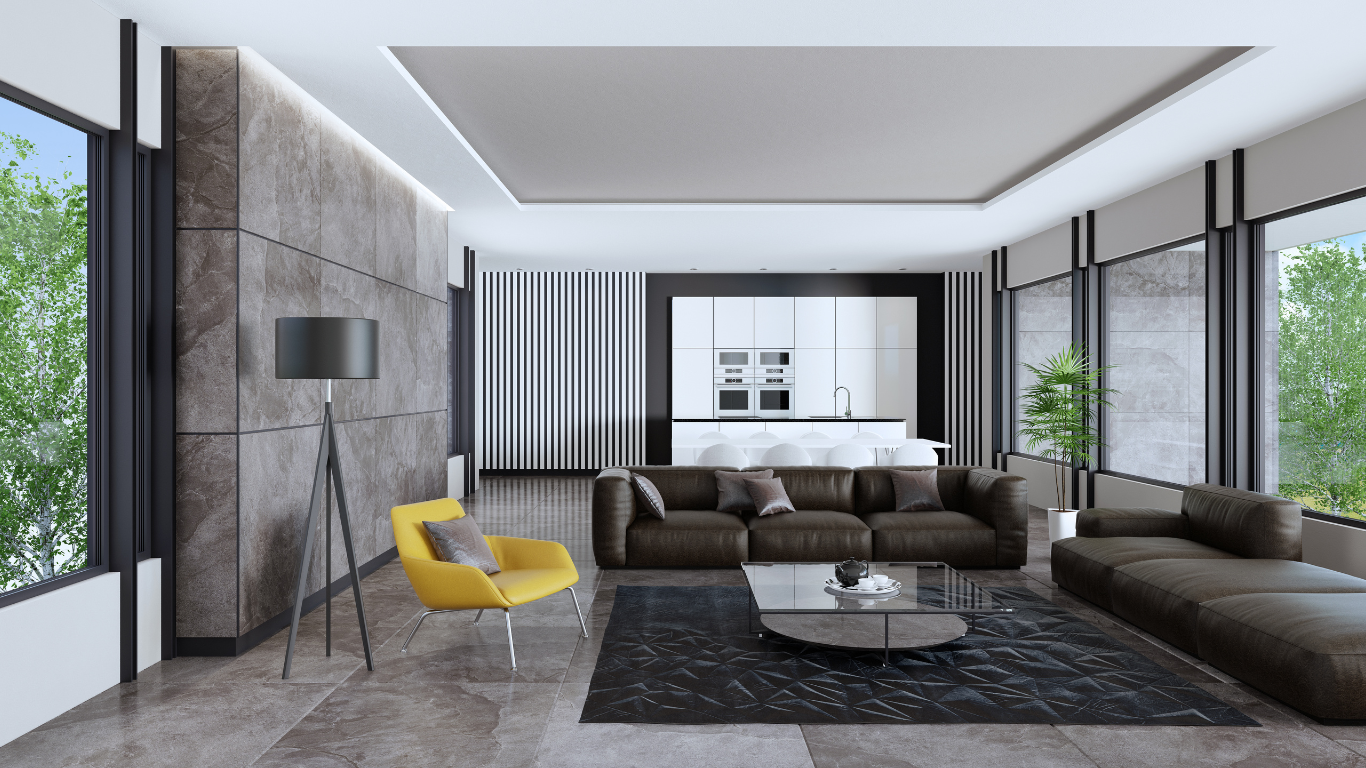
In today's fast-paced world, having a home that adapts to our changing needs is more important than ever. The concept of functional home design focuses on creating spaces that serve multiple purposes, making our living environments more versatile and efficient. Whether you're working from home, entertaining guests, or simply enjoying family time, a well-designed space can enhance your lifestyle. Let's explore some key ideas for creating multi-functional spaces in your home.
Key Takeaways
- Multi-functional spaces are essential for modern living.
- Flexible floor plans can adapt to changing family needs.
- Incorporating smart storage solutions maximises space efficiency.
- Creating a productive home office is crucial for remote work.
- Designing outdoor areas enhances overall living experience.
Embracing Functional Home Design
Understanding Multi-Functional Spaces
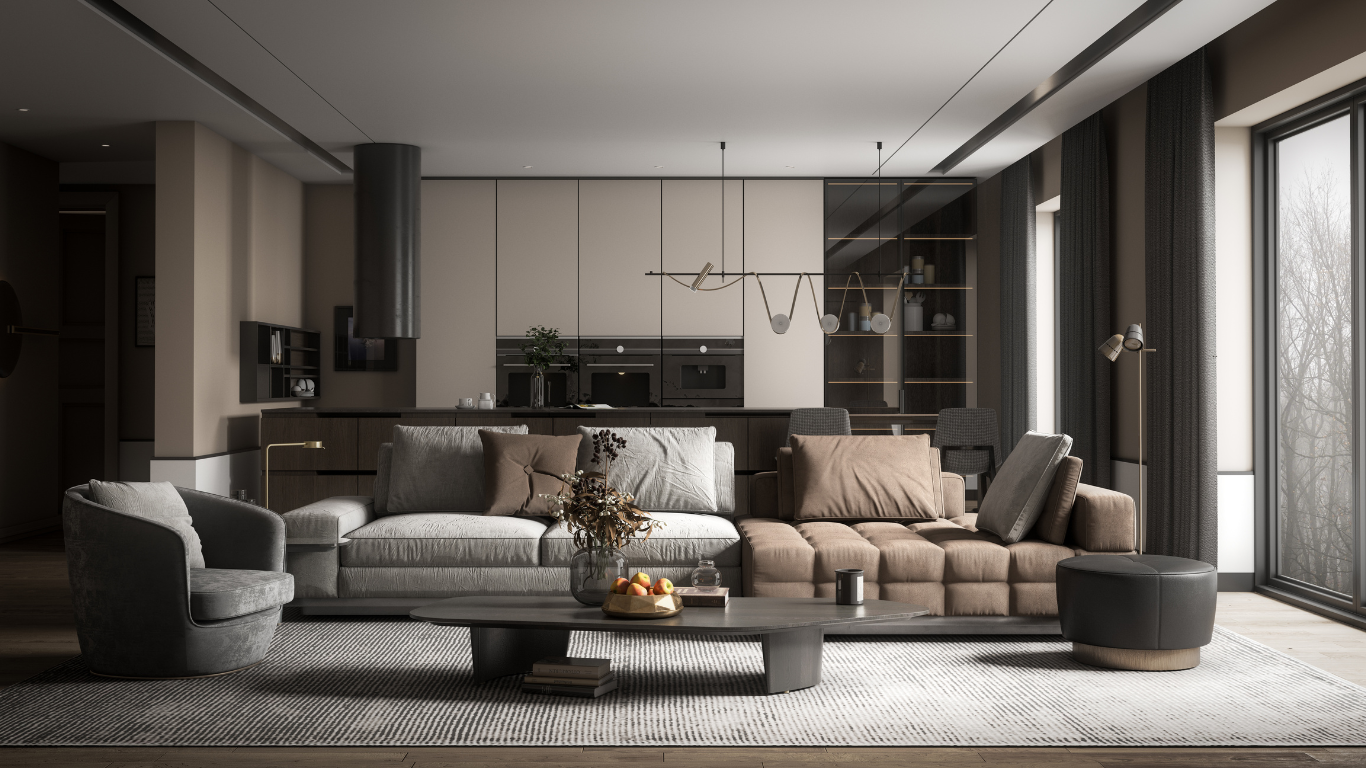
What exactly are multi-functional spaces, and why are they becoming so important in Perth custom builds? Well, it's all about making the most of the space you have. Think of a room that can transform from a home office during the day to a guest bedroom at night. Or a living area that doubles as a play area for the kids. The key is flexibility and adaptability. It's about designing your home to cater to a variety of needs without feeling cramped or cluttered. Why have a full-time dining room when it's only used occasionally? That space could be so much more!
Benefits of Flexible Floor Plans
Flexible floor plans offer a stack of benefits, especially in modern Australian homes. For starters, they maximise space, which is crucial if you're living in a smaller property or just want to avoid feeling like you're rattling around in a huge, empty house. They also allow for greater adaptability as your needs change over time.
Here's a few more benefits:
- Increased home value
- Better lifestyle
- More storage
A well-designed flexible floor plan can significantly improve your quality of life, making your home a more enjoyable and functional space to live in.
Designing for Future Needs
Future-proofing your home is all about thinking ahead. What will your needs be in 5, 10, or even 20 years? Will your family grow? Will you need a dedicated space for ageing parents? Will you want to explore functional home design that adapts to your changing lifestyle? These are all important questions to consider when designing your home. By incorporating adaptable design elements, such as flexible room layouts and accessible features, you can ensure that your home remains comfortable and functional for years to come. It's about creating a space that can evolve with you, rather than forcing you to move or renovate as your needs change.
Creating Versatile Living Areas
Open Plan Living Concepts
Open plan living is all about knocking down walls to create a bigger, more connected space. But it's not just about making things feel bigger; it's about how you use that space. Think about how the kitchen flows into the dining area, and how the dining area connects to the living room. The key is to define zones within the open plan without actually building walls. Rugs, different flooring, and furniture placement can all help to create distinct areas for cooking, eating, and relaxing. It's a great way to make the most of your home and create a social hub for the family.
Incorporating Multi-Use Furniture
Multi-use furniture is a game-changer when it comes to creating flexible layouts for modern living. What exactly is it? Think sofa beds, coffee tables that turn into dining tables, and ottomans with hidden storage. The idea is that one piece of furniture can serve multiple purposes, saving space and making your home more adaptable. For example, a spare room can double as a home office with a sofa bed for guests. Or a living room can quickly transform into a home theatre with a projector screen that pulls down from the ceiling. It's all about being clever with your choices and thinking about how you can get the most out of every item.
Maximising Natural Light and Ventilation
Natural light and ventilation can make a huge difference to how a space feels. A bright, airy room feels bigger and more inviting than a dark, stuffy one. So, how do you maximise natural light? Think about large windows, skylights, and light-coloured walls that reflect light around the room. Mirrors can also be used to bounce light into darker corners. As for ventilation, cross-breezes are your best friend. Make sure you have windows on opposite sides of the room to allow air to flow through. If that's not possible, consider installing ceiling fans or using portable fans to circulate the air. It's all about creating a comfortable and healthy living environment.
Maximising natural light and ventilation isn't just about aesthetics; it's also about energy efficiency. By letting in more natural light, you can reduce your reliance on artificial lighting, saving money on your electricity bill. And by improving ventilation, you can reduce the need for air conditioning, further reducing your energy consumption. It's a win-win for your wallet and the environment.
Innovative Storage Solutions
Storage, right? It's always a hot topic, especially when we're trying to make the most of our homes. Whether you're in a sprawling suburban house or a cosy inner-city apartment, clever storage can make a world of difference. Let's look at some ideas to keep your place clutter-free and organised.
Smart Storage Ideas for Compact Homes
When space is at a premium, you need to think outside the box – or, perhaps, inside the furniture! Multi-functional furniture is your best friend here. Think ottomans with hidden storage, beds with drawers underneath, or coffee tables that lift up to reveal storage compartments.
Here are some ideas:
- Under-bed storage: Those plastic tubs on wheels are lifesavers for storing out-of-season clothes or extra bedding.
- Wall-mounted shelves: Get things off the floor and onto the walls. Floating shelves look great and provide valuable display and storage space.
- Hidden compartments: Consider custom-built furniture with secret drawers or hidden storage areas for valuables or items you don't want on display.
It's amazing how much stuff we accumulate. Regularly decluttering is key to making the most of your storage solutions. Get rid of anything you don't use or need, and you'll be surprised how much space you free up.
Utilising Vertical Space
Don't just think horizontally; look up! Vertical space is often underutilised, especially in older homes. Tall bookshelves, custom living spaces, and wall-mounted cabinets can provide ample storage without taking up valuable floor space.
Consider these options:
- Floor-to-ceiling shelving: Perfect for books, decorative items, and storage boxes.
- High cabinets in the kitchen: Store less frequently used items up high to free up space at eye level.
- Hanging storage: Install hooks or racks on walls to hang bikes, tools, or even pots and pans in the kitchen.
Hidden Storage Options
Sometimes, the best storage is the kind you don't see. Hidden storage can help maintain a clean and minimalist look while still providing plenty of space for your belongings.
Some popular hidden storage ideas include:
- Storage benches: Perfect for entryways or living rooms, providing seating and storage in one.
- Hollow core doors: Install shelves inside hollow core doors for extra storage in bathrooms or bedrooms.
- False walls: Create a hidden storage area behind a false wall for larger items or valuables. This is a more involved project, but it can be a great way to maximise space and add a touch of intrigue to your home.
Designing for Remote Work
Working from home has become a staple for many Aussies, so it's important to set up a dedicated workspace that promotes productivity and wellbeing. Let's explore how to create a home office that works for you.

Home Office Essentials
What do you really need for a functional home office? It's more than just a desk and a chair. Think about ergonomics, technology, and storage. A comfortable chair and adjustable desk are non-negotiable for preventing aches and pains.
- Ergonomic chair with lumbar support
- Adjustable height desk
- Reliable internet connection
- Quality monitor and keyboard
- Adequate lighting (natural and artificial)
Creating a Productive Workspace
Your environment directly impacts your ability to focus. A cluttered, distracting space will hinder your productivity. Consider these tips:
- Minimise distractions: Choose a quiet room or corner of your home.
- Personalise your space: Add plants, artwork, or photos to make it feel inviting.
- Organise your desk: Keep only essential items within reach.
- Invest in noise-cancelling headphones: Block out distractions when you need to concentrate.
A well-designed workspace should inspire creativity and focus. Think about what motivates you and incorporate those elements into your office design.
Balancing Work and Home Life
One of the biggest challenges of working from home is separating work and personal life. It's easy for the lines to blur, leading to burnout. Here's how to maintain a healthy balance:
- Set clear boundaries: Establish specific work hours and stick to them.
- Take regular breaks: Step away from your desk to stretch, walk, or do something you enjoy.
- Create a dedicated workspace: Avoid working from your bed or couch.
- End your workday with a ritual: Change clothes, go for a walk, or do something that signals the end of work.
And what about designing a guest room that doubles as an office? It's all about multi-functional furniture and clever storage solutions. A sofa bed, a desk that folds away, and storage ottomans can transform a guest room into a productive workspace when needed, and back again when guests arrive. It's a great way to maximise space and functionality in your home.
Future-Proofing Your Home
Let's face it, life changes. What works for you now might not work in five, ten, or twenty years. That's why thinking about the future when designing or renovating your home is so important. It's not just about trends; it's about creating a space that adapts to your evolving needs and lifestyle. How can you ensure your home remains functional and comfortable as your family grows, your interests shift, or your mobility changes? Let's explore some key considerations.
Adapting to Changing Family Needs
Families evolve. Kids grow up, move out, and sometimes move back in! Maybe you'll have ageing parents who need to live with you. Your home needs to be flexible enough to handle these transitions. Think about spaces that can be easily repurposed. A spare bedroom could become a home office, a playroom, or even a small granny flat for extra income or family accommodation. The key is to avoid overly specific designs that limit future options. Consider things like:
- Convertible furniture: Sofa beds, extendable tables, and modular storage systems can adapt to different needs.
- Flexible layouts: Open-plan living areas offer more versatility than rigidly defined rooms.
- Future-proof wiring: Install extra data and power points to accommodate changing technology.
Sustainable Design Practises
Sustainability isn't just a buzzword; it's a necessity. Building or renovating with sustainable materials and practises not only reduces your environmental impact but can also save you money in the long run. Think about energy efficiency, water conservation, and using durable, eco-friendly materials. How can you reduce your carbon footprint and create a healthier living environment? Some ideas include:
- Solar panels: Generate your own electricity and reduce your reliance on the grid.
- Water tanks: Collect rainwater for garden irrigation and toilet flushing.
- Insulation: Improve your home's energy efficiency and reduce heating and cooling costs.
Sustainable design is about making smart choices that benefit both you and the planet. It's about creating a home that is comfortable, efficient, and environmentally responsible.
Planning for Ageing in Place
Many Australians want to stay in their homes as they get older. But traditional homes often aren't designed for the needs of older adults. Planning for ageing in place means incorporating features that make your home safe, accessible, and comfortable as you age. What modifications can you make now to ensure your home remains suitable for you in the years to come? Consider these aspects:
- Level access: Eliminate steps and thresholds to prevent trips and falls.
- Grab rails: Install grab rails in bathrooms and toilets for added support.
- Wider doorways and hallways: Make it easier to navigate with a wheelchair or walker.
By thinking ahead and incorporating these features, you can create a home that supports your independence and well-being for years to come. It's about making smart choices now to ensure a comfortable and fulfilling future in your own home. Many people are approaching mid-age and want to build custom dream homes that will last a lifetime.
The Importance of Outdoor Spaces
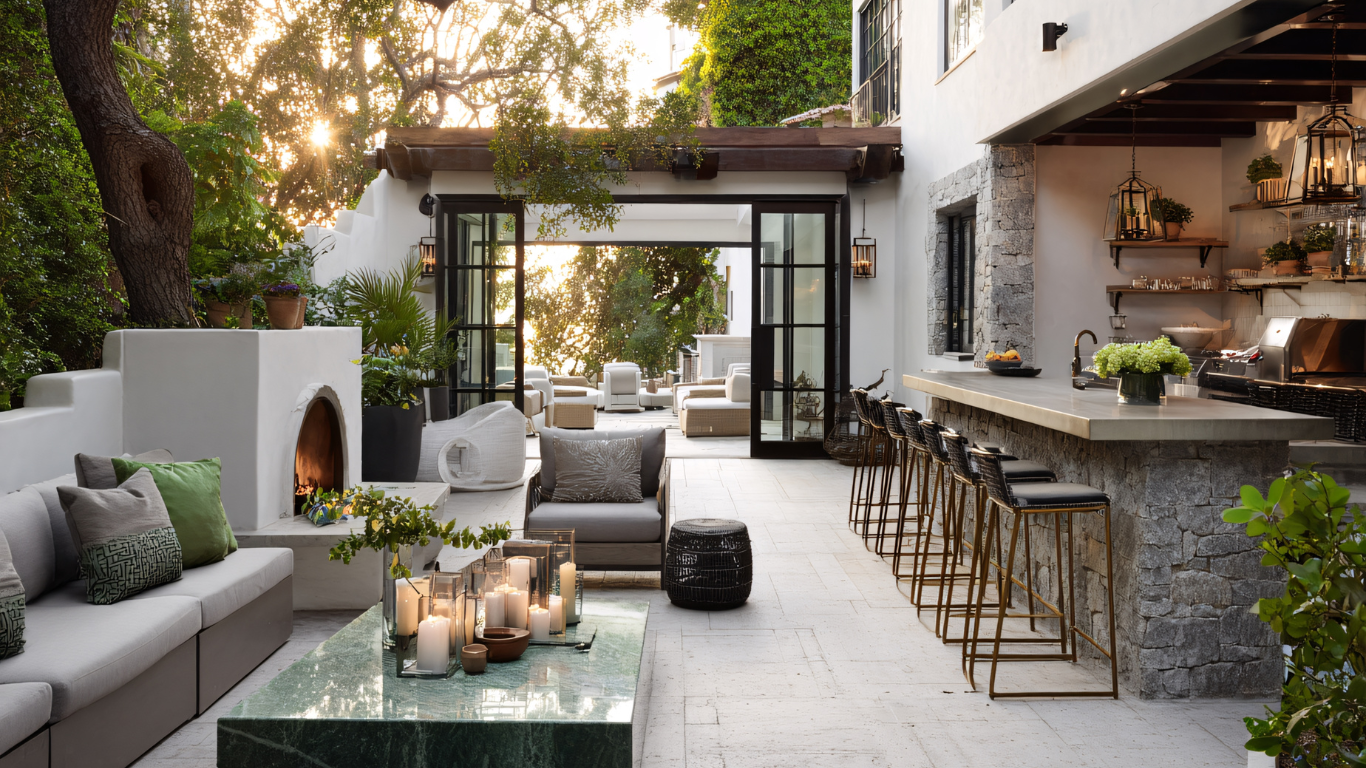
Australians love the outdoors, and our homes should reflect that! It's easy to overlook the potential of your backyard, balcony, or even a small courtyard. But thoughtfully designed outdoor spaces can significantly improve your lifestyle and add value to your property. Let's explore how to make the most of your outdoor areas.
Designing Functional Outdoor Areas
What do you want to do in your outdoor space? That's the first question to ask. Do you dream of hosting barbecues, relaxing with a book, or growing your own veggies? The answer will guide your design choices. Consider these elements:
- Zoning: Divide your space into different zones for cooking, dining, relaxing, and playing.
- Furniture: Choose durable, weather-resistant furniture that suits your style and needs. Think about comfortable seating, a dining table, and perhaps a hammock or daybed.
- Landscaping: Incorporate plants, trees, and flowers to create a visually appealing and inviting atmosphere. Native plants are a great choice as they are well-suited to the Australian climate and require less maintenance.
Integrating Indoor and Outdoor Living
Blurring the lines between indoors and outdoors can make your home feel larger and more connected to nature. Think about how you can seamlessly transition from your living room to your outdoor area. Here are some ideas:
- Sliding doors: Install large sliding doors or bi-fold doors to create a wide opening between your indoor and outdoor spaces.
- Consistent flooring: Use similar flooring materials indoors and outdoors to create a sense of continuity.
- Outdoor kitchen: Extend your kitchen outdoors with a built-in barbecue, sink, and countertop. This makes outdoor entertaining a breeze.
Creating Private Retreats
Not all outdoor spaces need to be for entertaining. Sometimes, you just want a quiet place to escape and unwind. Here's how to create a private retreat in your backyard:
- Screening: Use plants, fences, or screens to create a sense of privacy and block out unwanted views.
- Water feature: The sound of running water can be incredibly relaxing. Consider adding a small fountain or pond to your retreat.
- Comfortable seating: Choose a comfortable chair or lounger where you can relax and enjoy the peace and quiet. Maybe even consider a custom home with a built-in outdoor retreat.
Creating a functional and inviting outdoor space is an investment in your lifestyle. By carefully considering your needs and preferences, you can transform your backyard into an extension of your home that you'll enjoy for years to come.
Maximising Small Spaces
Living in a smaller home or apartment doesn't mean you have to compromise on comfort or style. It's all about being clever with your layout and design choices. Let's explore some ways on how to make the most of small spaces.
Clever Layouts for Compact Living
When space is at a premium, the layout is everything. Think about how you actually use each room and design it accordingly.
- Open-plan living: Combining the kitchen, living, and dining areas can create a sense of spaciousness. This layout encourages flow and makes the area feel larger than it is.
- Zoning: Even in an open-plan space, define different zones using rugs, furniture placement, or changes in flooring. This helps to create distinct areas for different activities.
- Prioritise Functionality: Every piece of furniture should serve a purpose. Avoid clutter and unnecessary items that take up valuable space.
Choosing the Right Materials
The materials you choose can significantly impact how a small space feels.
- Light Colours: Light and neutral colours reflect light, making a room feel brighter and more open. Use these on walls, floors, and large furniture pieces.
- Mirrors: Mirrors are a fantastic way to create the illusion of space. Place them strategically to reflect light and expand the perceived size of a room.
- Transparent Materials: Clear acrylic or glass furniture can visually disappear, making a space feel less crowded.
Creating Illusions of Space
There are several tricks you can use to make a small space feel larger than it actually is.
- Vertical Emphasis: Draw the eye upwards with tall bookshelves, curtains hung high, or vertical artwork. This creates a sense of height and spaciousness.
- Scale: Choose furniture that is appropriately sized for the space. Overly large pieces can overwhelm a small room, while smaller pieces can make it feel more balanced.
- Declutter:This is probably the most important tip. A cluttered space always feels smaller. Regularly declutter and get rid of anything you don't need or use.
Small space living is about being intentional with your choices. By carefully considering the layout, materials, and design tricks, you can create a comfortable and stylish home, no matter the size.
Making the most of small spaces can be a fun challenge! You can use clever storage solutions, like shelves and multi-purpose furniture, to create a more open feel. Don't forget to add some personal touches with decor that reflects your style. For more tips on how to maximise your space, visit our website today!
Wrapping Up: The Future of Home Design
In conclusion, creating multi-functional spaces in our homes is not just a trend; it's becoming a necessity. As we look to the future, our living spaces need to adapt to our changing lifestyles. Whether you’re a family needing room for kids and work or a couple wanting a cosy yet flexible home, the designs from Armour Homes can help. They focus on smart layouts that make the most of every square metre, ensuring you have room for everything you need without feeling cramped. So, as you think about your next home or renovation, consider how these adaptable spaces can work for you. After all, a home should be more than just a place to live—it should be a space that grows with you.
Frequently Asked Questions
What are multi-functional spaces?
Multi-functional spaces are areas in your home that serve more than one purpose. For example, a living room can also be a workspace or a guest bedroom.
Why are flexible floor plans important?
Flexible floor plans let you change how you use your space as your needs change. This means you can adjust rooms for different activities, like working from home or entertaining guests.
How can I make my small home feel bigger?
You can make a small home feel bigger by using light colours, mirrors, and smart furniture that can be stored away when not in use.
What should I consider when creating a home office?
When setting up a home office, choose a quiet spot with good lighting, a comfortable chair, and enough space for your computer and supplies.
How can I future-proof my home?
To future-proof your home, think about how your family might change over time. Design spaces that can adapt, like bedrooms that can convert into playrooms or guest rooms.
How do I create functional outdoor spaces?
To create functional outdoor spaces, add furniture for relaxing, cooking areas for barbecues, and plants for privacy. This way, your outdoor area can be enjoyed all year round.